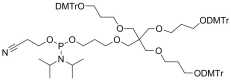



N6-Methyl-dA Phosphoramidite provides a modified 2′-deoxyadenosine building block for DNA oligonucleotide synthesis, epigenetics research, and nucleic acid modification studies and specifically features an N6-methylated adenine nucleobase attached to a deoxyribose sugar with phosphoramidite functionality. This reagent specifically supports site-specific incorporation of N6-methyl-2′-deoxyadenosine (6mA) into synthetic DNA for methylation, protein recognition, and DNA structure studies.
Key Features and Benefits
- N6-Methyladenine Modification: Features a methyl group on the exocyclic N6 amino position of adenine for studying DNA methylation.
- Modified Deoxyadenosine Building Block: Provides a 2′-deoxyadenosine derivative specifically for incorporating N6-methyladenine into synthetic DNA sequences.
- Reactive Phosphoramidite Functionality: Supports nucleotide coupling during automated solid-phase oligonucleotide synthesis.
- Site-Specific Methylation: Enables precise placement of N6-methyladenine residues at selected positions within synthetic DNA sequences.
- Epigenetic Research Compatibility: Supports investigation of adenine methylation and its potential effects on DNA recognition and biological regulation.
- DNA Hybridization Studies: Enables evaluation of methylation-dependent changes in base pairing, duplex stability, and molecular interactions.
- Protein-DNA Interaction Research: Supports preparation of methylated DNA substrates specifically for studying methylation-sensitive DNA-binding proteins.
- Automated DNA Synthesis: Supports incorporation into oligonucleotides using compatible phosphoramidite synthesis protocols.
- Versatile Molecular Biology Applications: Enables preparation of modified DNA probes, enzyme substrates, and reference oligonucleotides for methylation research.
Applications
- DNA Methylation Research: Supports preparation of synthetic DNA containing N6-methyladenine for investigating adenine methylation mechanisms.
- Epigenetics Studies: Enables investigation of methylated adenine residues and their effects on DNA-associated biological processes.
- Modified DNA Oligonucleotide Synthesis: Supports site-specific incorporation of N6-methyl-2′-deoxyadenosine into synthetic DNA sequences.
- DNA Methyltransferase Research: Useful for preparing modified DNA substrates to investigate methyltransferase activity and substrate recognition.
- DNA Demethylation Studies: Supports evaluation of enzymes and biochemical pathways involved in modified adenine recognition and processing.
- Protein-DNA Binding Studies: Enables investigation of interactions between methylated DNA sequences and DNA-binding proteins.
- DNA Hybridization Research: Supports studies of methylation-dependent duplex formation, thermal stability, and sequence recognition.
- DNA Polymerase Studies: Useful for evaluating polymerase recognition and replication behavior using N6-methyladenine-containing DNA templates.
- Analytical Method Development: Supports preparation of defined methylated DNA standards for evaluating nucleic acid analysis and detection methods.
Storage and Handling
- Storage: Store at −20°C in a dry, tightly sealed container under an inert atmosphere when possible, unless otherwise specified. Protect from moisture, excessive heat, and prolonged light exposure.
- Handling: Handle under anhydrous conditions to preserve phosphoramidite reactivity. Prepare solutions using dry, compatible solvents, such as anhydrous acetonitrile, when appropriate. Minimize atmospheric moisture exposure and prepare fresh solutions for oligonucleotide synthesis. Use validated coupling and deprotection conditions that preserve the N6-methyladenine modification.
N6-Methyl-dA phosphoramidite provides a specialized modified nucleoside building block for controlled incorporation of N6-methyladenine into synthetic DNA and specifically supports epigenetics research, DNA methylation studies, protein-DNA interactions, modified oligonucleotide synthesis, and nucleic acid analytical method development.
AxisPharm offers 5000+ PEG Linkers with high purity. Different kinds of PEG Reagents may be available by custom synthesis.