

Polysarcosine (pSar), a peptide like polymer, comes from sarcosine and offers great water solubility, protein resistance, and low toxicity. It works well in lipid nanoparticles (LNPs) for mRNA delivery. As a biocompatible alternative to PEG, pSar suits drug delivery and surface coating applications perfectly.
Polysarcosine
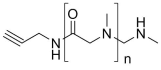

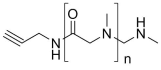
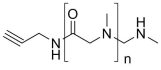
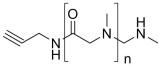

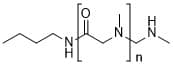
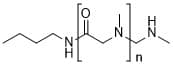
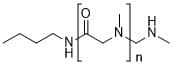
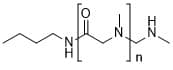













Polysarcosine (pSar) is a peptide-like polymer made from the endogenous amino acid sarcosine (N-methylated glycine). It offers strong stealth properties and a range of useful features.
Key Features:
- Structure: pSar, built from sarcosine units, provides a peptide-like structure that enhances biocompatibility.
- Stealth Properties: It combines excellent water solubility, protein resistance, low cytotoxicity, and non-immunogenicity. Unlike PEG, it is based on natural, endogenous materials.
- Applications:
- Lipid Nanoparticles (LNPs): pSar works well in generating lipids for forming LNPs, which play a key role in delivering therapeutic mRNA.
- Drug Delivery: Its stealth properties improve circulation time and boost drug stability.
- Bioconjugation: It effectively attaches to nanoparticles, proteins, and other biomolecules.
- Surface Coatings: pSar reduces protein adsorption and non-specific binding, making it useful for medical devices.
- PEG Alternative: As an alternative to PEG, pSar offers the same benefits, like non-immunogenicity and protein resistance, while being more biocompatible.
Summary:
Polysarcosine (pSar) provides strong stealth properties, making it ideal for mRNA delivery through lipid nanoparticles (LNPs). It rivals PEG in biocompatibility, but with added advantages of being based on natural, endogenous materials.