


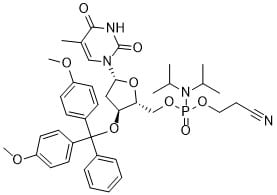

Heptadecan-9-amine is a long-chain aliphatic primary amine featuring a 17-carbon saturated hydrocarbon backbone with an amino group attached to carbon 9. Also known as 9-aminoheptadecane, it combines a hydrophobic alkyl structure with reactive primary amine functionality for organic synthesis, lipid chemistry, and chemical modification research. Additionally, its centrally positioned amino group provides a versatile reaction site for developing functionalized lipids, hydrophobic molecular intermediates, and specialized organic compounds.
Key Features and Benefits
- Long-Chain Aliphatic Amine: Features a saturated 17-carbon hydrocarbon chain with a primary amino group positioned at the central carbon.
- Primary Amine Functionality: Provides a reactive NH2 group for amide formation, alkylation, reductive amination, and other compatible chemical transformations.
- Hydrophobic Molecular Structure: Offers a long hydrocarbon backbone that supports the development of lipophilic compounds and hydrophobic molecular components.
- Central Amino Group Position: Specifically provides a secondary carbon bearing a primary amine, enabling modification at the central position of the hydrocarbon chain.
- Organic Synthesis Compatibility: Supports preparation of nitrogen-containing organic compounds through established amine reaction chemistry.
- Lipid Intermediate Potential: Enables synthesis of functionalized lipid derivatives and hydrophobic building blocks for lipid chemistry research.
- Chemical Functionalization Versatility: Supports reactions with suitable carboxylic acids, activated esters, aldehydes, and electrophilic compounds.
- Amphiphilic Compound Development: Provides a hydrophobic structural component for synthesizing molecules containing additional hydrophilic or ionizable functional groups.
- Research Versatility: Additionally, supports investigation of structure–property relationships in long-chain amines, lipid derivatives, and functional organic materials.
Applications
- Organic Synthesis: Serves as a primary amine building block for preparing nitrogen-containing organic compounds and specialized chemical intermediates.
- Lipid Chemistry Research: Supports synthesis of functionalized lipids and hydrophobic molecular derivatives for experimental lipid formulations.
- Ionizable Lipid Development: Provides a potential hydrophobic amine-containing intermediate for investigating synthetic ionizable lipid structures and related delivery materials.
- Amide Derivative Synthesis: Specifically enables reactions with activated carboxylic acids and other acylating reagents to prepare long-chain amide compounds.
- Amine Functionalization: Supports chemical modification through alkylation, acylation, and other compatible primary amine reactions.
- Hydrophobic Building Block Development: Enables incorporation of long-chain alkyl structures into functional organic molecules and polymer-related intermediates.
- Amphiphilic Molecule Synthesis: Supports preparation of compounds combining hydrophobic hydrocarbon segments with additional polar functional groups.
- Structure–Property Relationship Studies: Additionally, enables investigation of how hydrocarbon chain length and amino group positioning influence molecular behavior.
- Materials Chemistry Research: Provides a functional amine building block for developing specialized organic materials, surface modifiers, and molecular intermediates.
Storage and Handling
- Storage: Store in a tightly sealed container in a cool, dry, well-ventilated location, protected from heat and moisture. Follow product-specific storage instructions to maintain chemical stability.
- Handling: Use appropriate protective equipment and clean laboratory instruments. Avoid direct skin and eye contact, and handle in a well-ventilated area.
- Chemical Synthesis: Dissolve in a compatible organic solvent after confirming solubility. Subsequently, optimize reaction conditions according to the selected amine functionalization or lipid synthesis procedure.
- Reaction and Analysis: React the primary amine with suitable electrophiles or activated carboxylic acid derivatives. Evaluate product identity and purity using NMR, GC-MS, LC-MS, or other appropriate analytical methods.
Heptadecan-9-amine combines a hydrophobic 17-carbon backbone with centrally positioned primary amine functionality for versatile chemical synthesis. Its molecular structure supports the preparation of functionalized lipids, amide derivatives, and specialized organic intermediates. Therefore, it provides a useful building block for lipid chemistry, organic synthesis, and advanced materials research.
AxisPharm offers 5000+ PEG Linkers with high purity. Different kinds of PEG Reagents may be available by custom synthesis.


